Nature & Landscapes
Uganda's Stunning Natural World
From Africa's largest lake to snow-capped mountains on the equator — Uganda's nature leaves you breathless.
From Africa's largest lake to snow-capped mountains on the equator — Uganda's nature leaves you breathless.
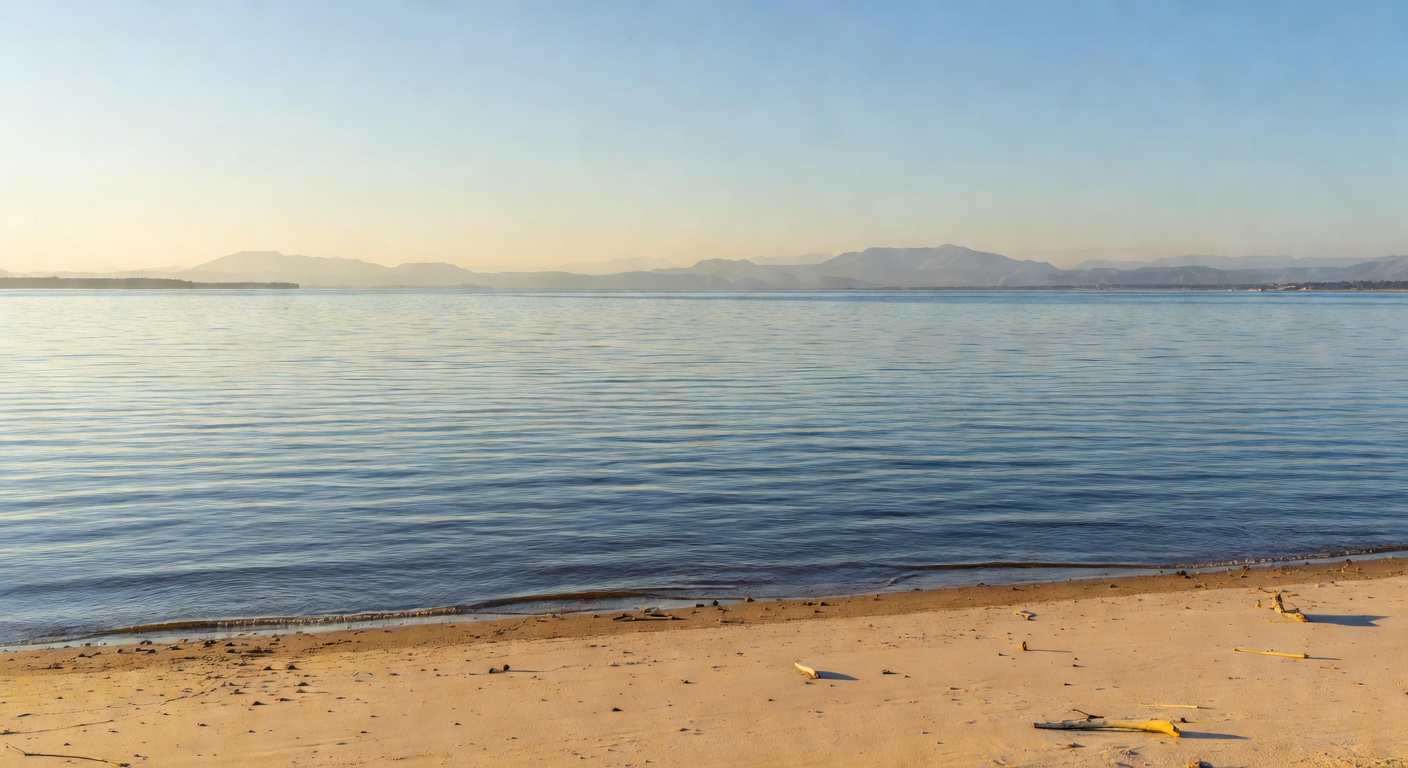
Lake Victoria
Lake Victoria is Africa's largest lake by surface area and the world's largest tropical lake. Shared with Kenya and Tanzania, its Ugandan shores are home to fishing communities, unique wildlife, and the source of the world's longest river — the Nile.
The lake's shores in Uganda are dotted with fishing villages, Ssese Islands (a popular beach destination), and rich birdlife including fish eagles, kingfishers, and pelicans.
Uganda encompasses an extraordinary range of habitats — each with its own distinct character and wildlife.
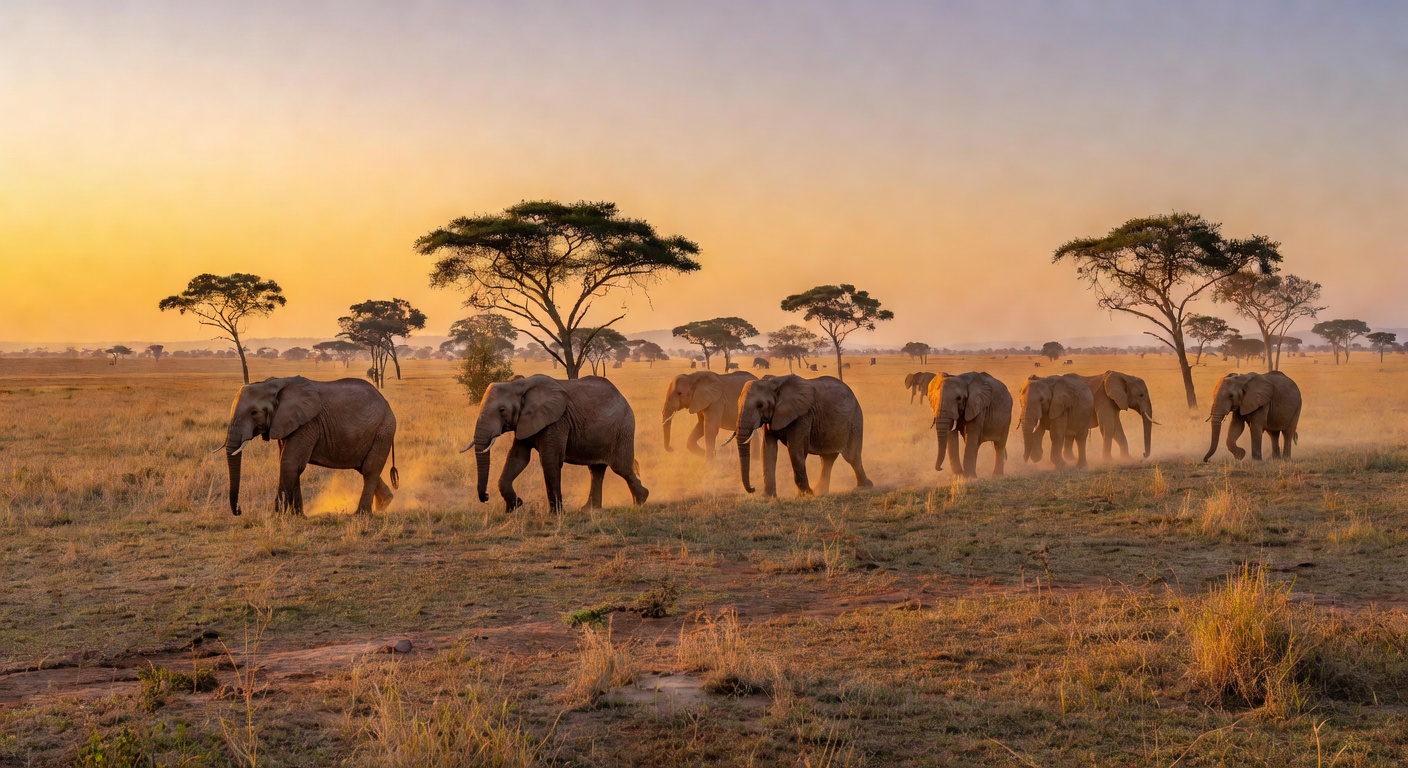
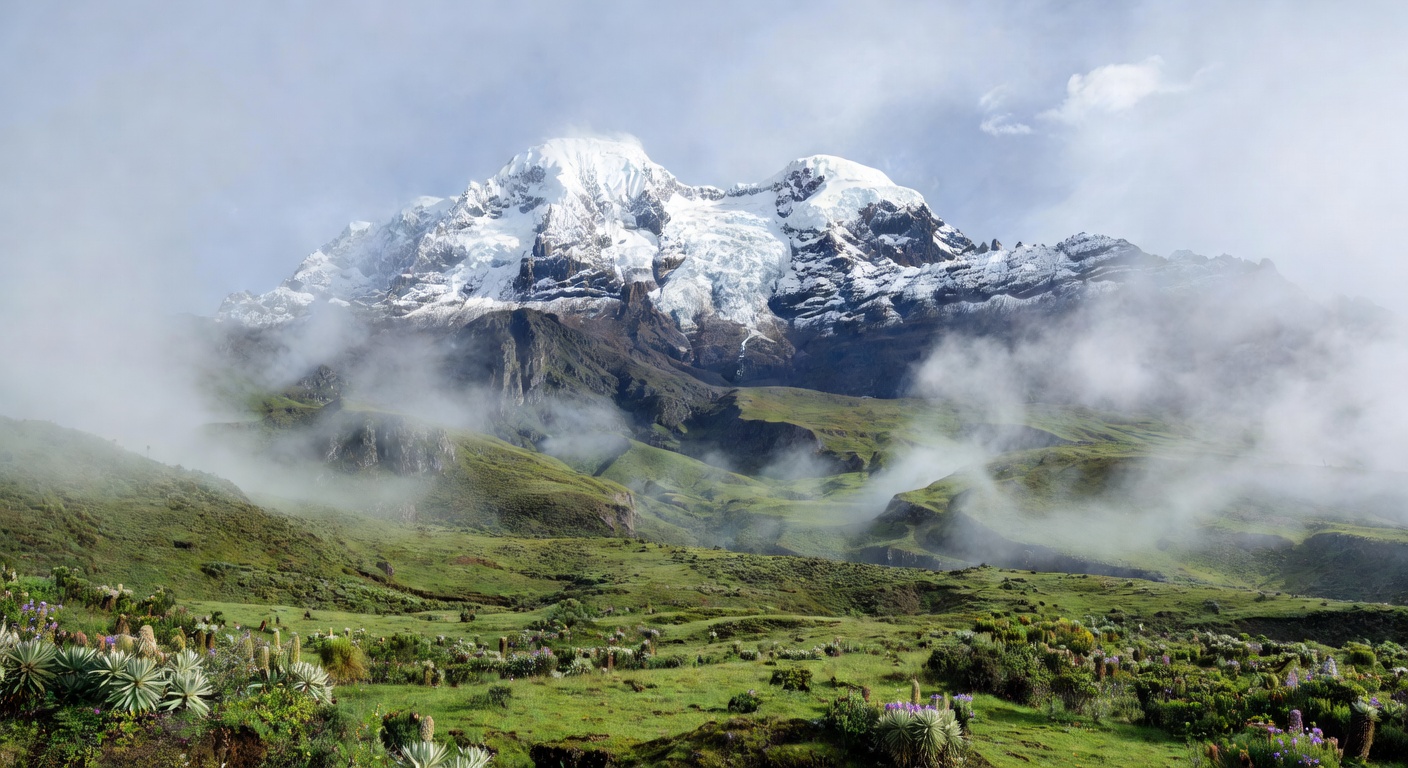
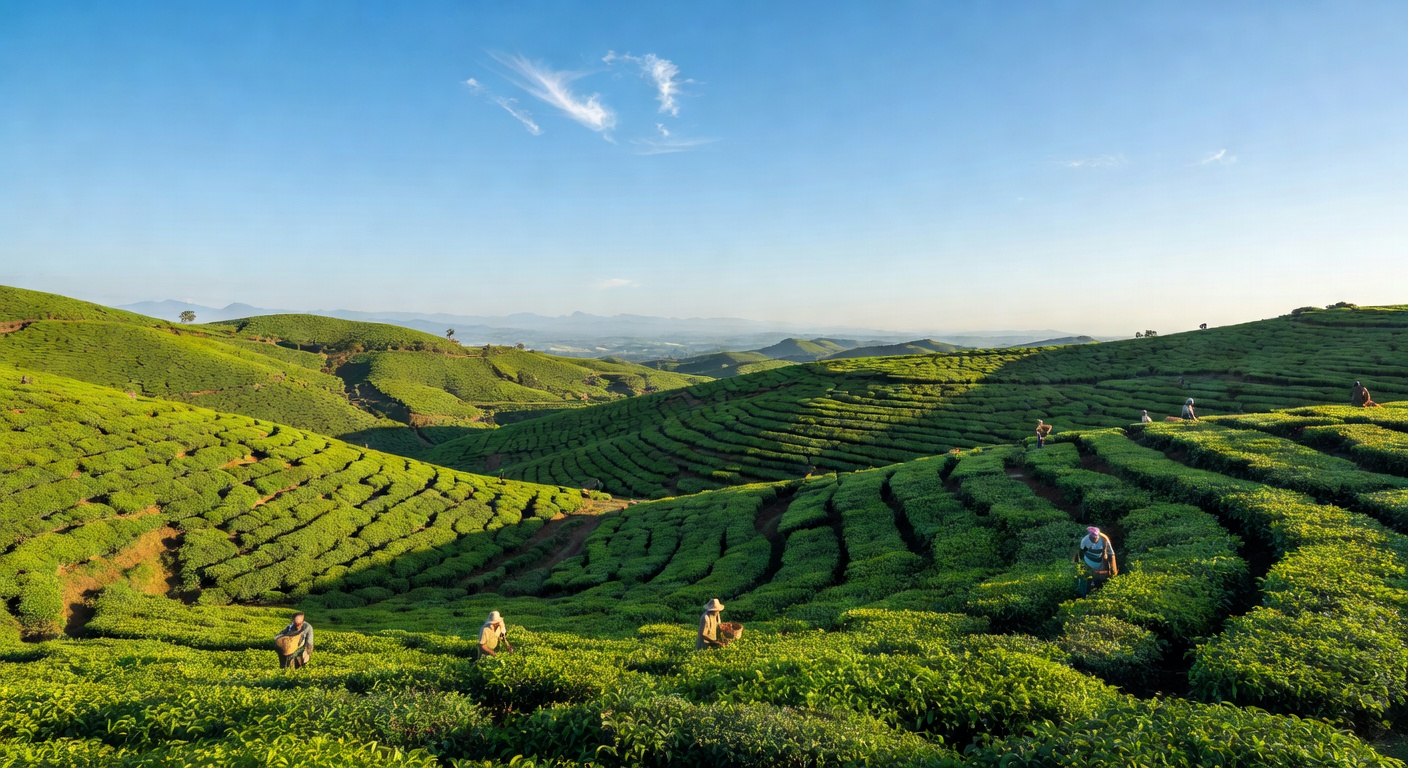
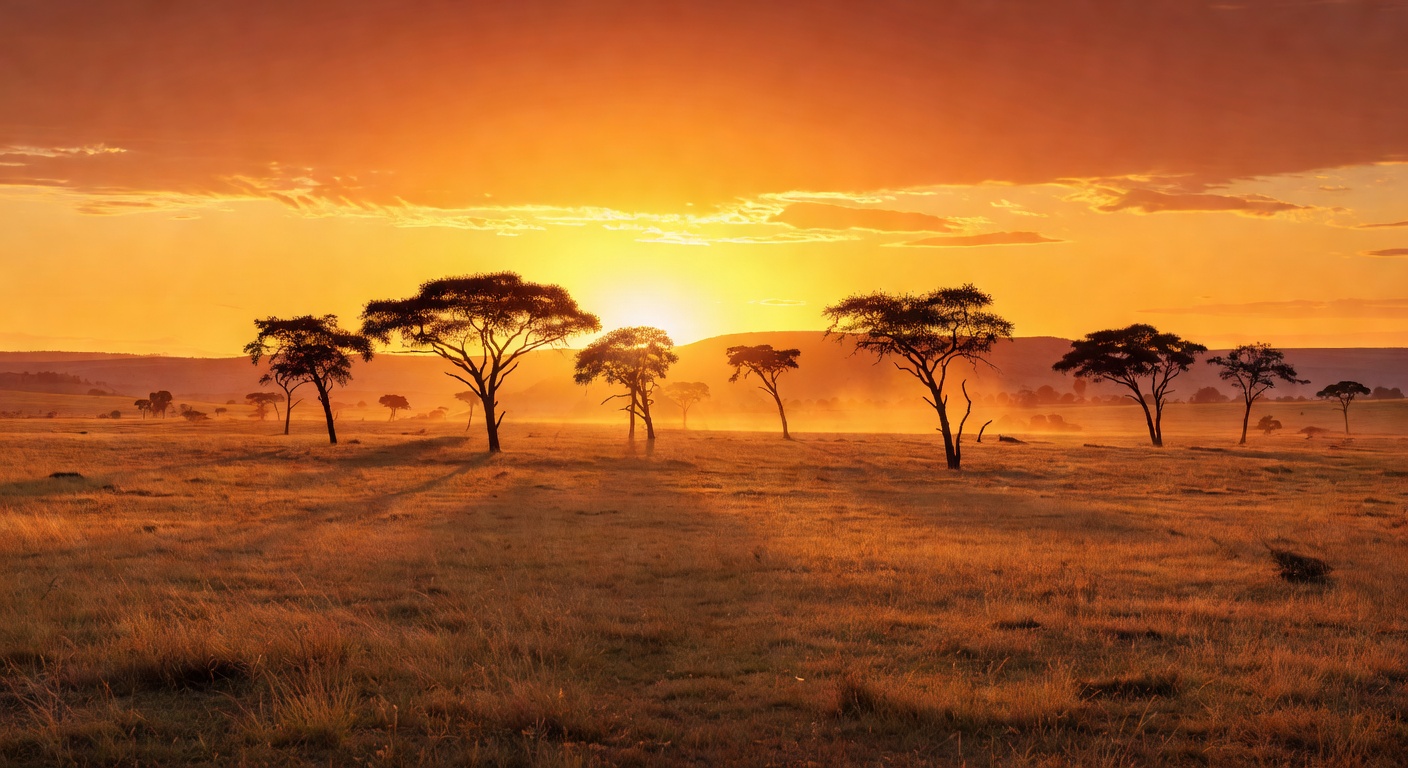
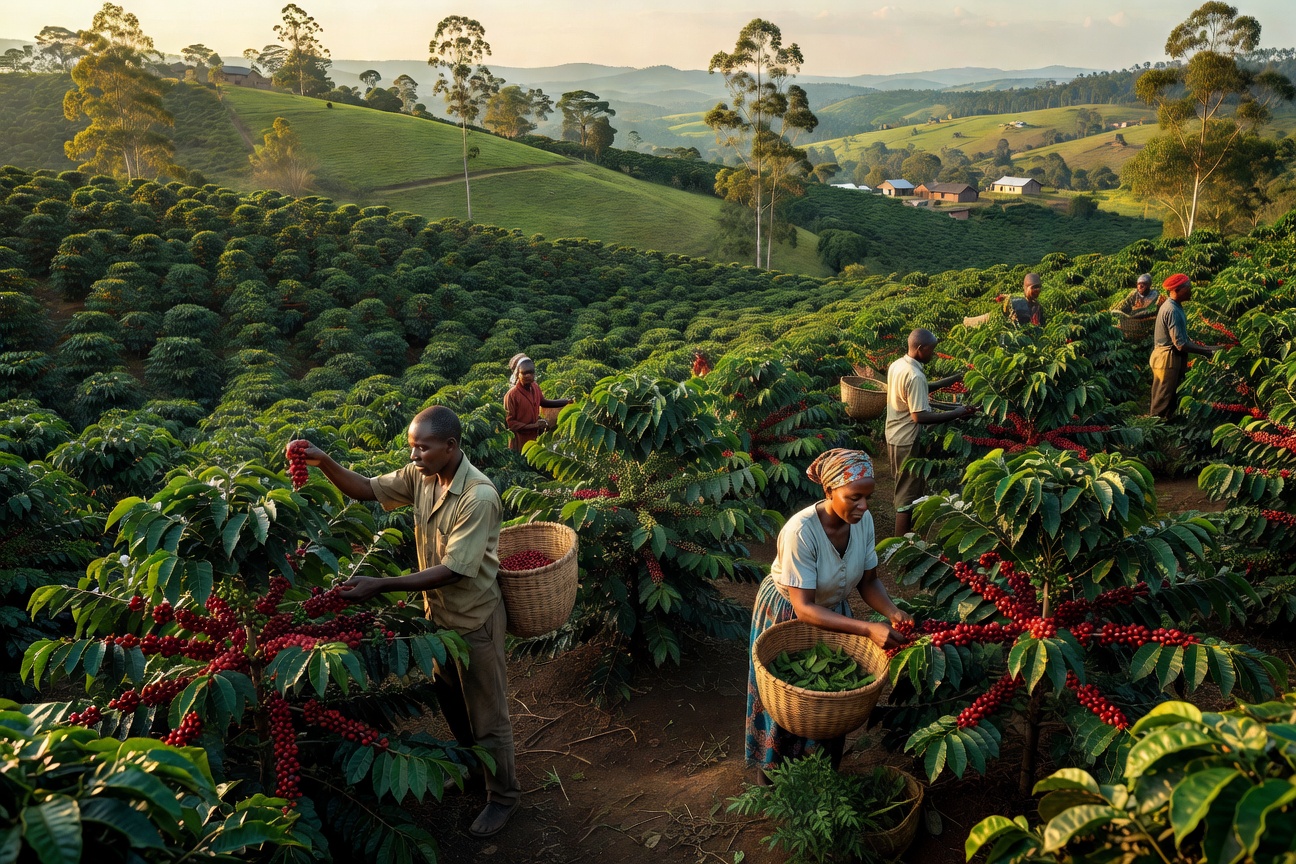
Uganda sits almost perfectly on the equator, yet its high elevation gives it a temperate, year-round pleasant climate. Stand with one foot in each hemisphere at the Equator Monument near Kampala.
Conservation
Uganda has made significant strides in wildlife conservation, with national parks and community initiatives preserving habitats for future generations.
Uganda's tropical rainforests, including Bwindi and Kibale, are protected as national parks and UNESCO World Heritage Sites, preserving critical habitat for gorillas, chimpanzees, and thousands of plant species.
Uganda's wetlands, covering 13% of the land area, are vital for water purification, flood control, and biodiversity. The Ramsar-listed wetlands support unique bird species and fishing communities.
Uganda Wildlife Authority works with international partners to protect mountain gorillas. Population numbers have grown from 620 in 2010 to over 1,000 today — a remarkable conservation success story.