People & Community
The Heart of Uganda — Its People
Uganda's greatest asset is its warm, resilient, and joyful people — from village communities to urban neighbourhoods.
Uganda's greatest asset is its warm, resilient, and joyful people — from village communities to urban neighbourhoods.
Village Life
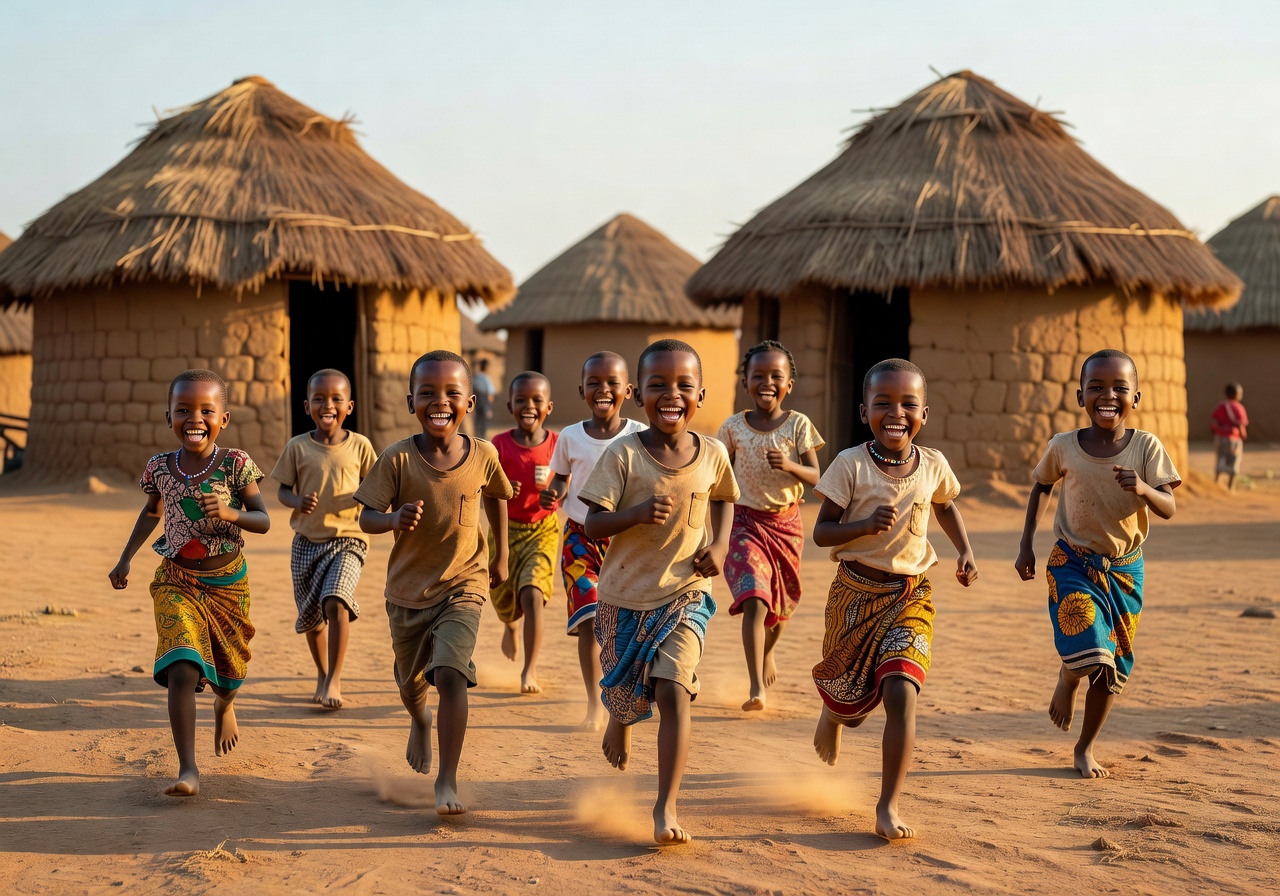
Life in Uganda's villages centres around family, community, and shared responsibility. The concept of "ubuntu" — I am because we are — runs deep in Ugandan culture. Neighbours support one another, children play together freely, and elders are respected as the keepers of wisdom.
Village communities gather for communal farming, celebrations, religious events, and market days. The rhythms of rural life in Uganda are deeply tied to the land and to each other.
Ugandan children — with their infectious smiles and boundless energy — represent the nation's promise and hope. Over 50% of Uganda's population is under 15 years old, making it one of the world's youngest nations.
The social values and traditions that define Ugandan communities have been passed down through generations.
The deeply held belief that one's humanity is defined through relationships with others. Community care is built into everyday life.
Elders hold a revered place in Ugandan society as custodians of knowledge, tradition, and moral guidance for younger generations.
Ugandans are renowned for their exceptional warmth and generosity to visitors. "Karibu" (welcome) is more than a word — it's a way of life.
Deep connection to the land runs through Ugandan life. Most families maintain gardens growing food — a source of pride and sustenance.
Ugandans celebrate life at every turn — weddings, harvests, birthdays — with music, dance, and abundant food shared communally.
Education is highly valued. Ugandan families make great sacrifices to ensure their children can access schooling and build better futures.
Traditional Crafts
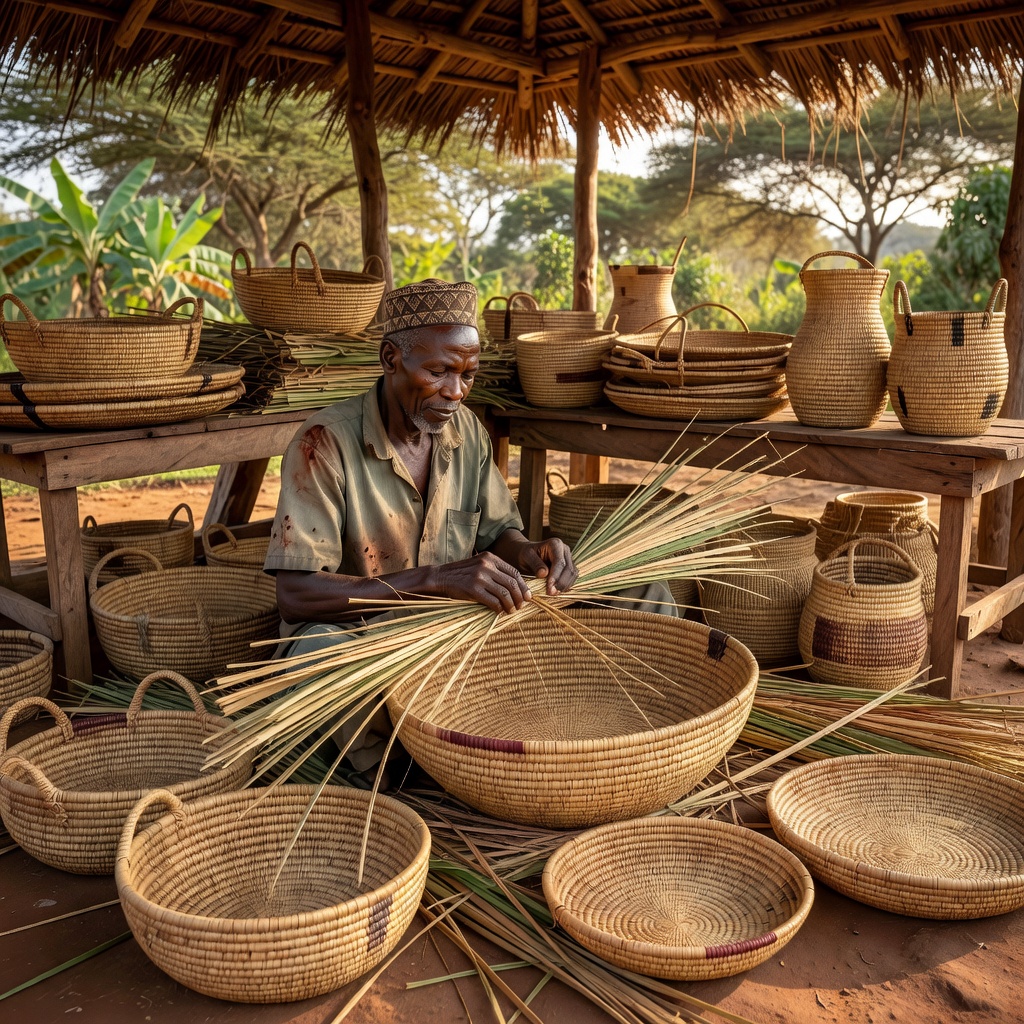
Ugandan basket weaving is among the finest in Africa. Women in southwestern Uganda — particularly the Kigezi region — are renowned for their intricate coil-woven baskets using sisal, papyrus, and natural dyes.
These baskets are not merely containers — they are works of art telling stories through geometric patterns, colours, and forms inherited from grandmother to granddaughter. Each basket can take weeks to complete.
Today, Ugandan baskets are sold internationally and support the livelihoods of thousands of women artisans, preserving both craft and income.
With one of the world's youngest populations, Uganda's children and youth are the engine of the nation's future. Their energy, creativity, and determination are building a new Uganda for generations to come.